Natuurlijke habitat betekenis
De natuurlijke habitat van een soort is het type leefgebied waar deze soort gewoonlijk voorkomt en zich thuisvoelt, meer in het bijzonder het leefgebied waar de soort oorspronkelijk vandaan komt. Het begrip habitat wordt vaak verward met het begrip biotoop. Een habitat is de leefomgeving waarin een bepaalde soort leeft. Een soort kan verschillende habitats nodig hebben in de loop van een jaar of zijn levenscyclus. Deze habitats kunnen bij elkaar liggen (bijvoorbeeld lage zandplaat - hoge zandplaat; lage zandplaat - sublitoraal) of in verschillende gebieden liggen (bijvoorbeeld toendra Siberië. Natuurlijke habitat betekenis De specifieke plaats waarin het dier leeft binnen de biotoop wordt de habitat (‘het leefgebied’) of de niche van het dier genoemd. De habitat moet altijd voldoen aan de eisen en toleranties, die de bepaalde diersoort stelt aan zijn omgeving, om te kunnen leven en zich voort te planten.

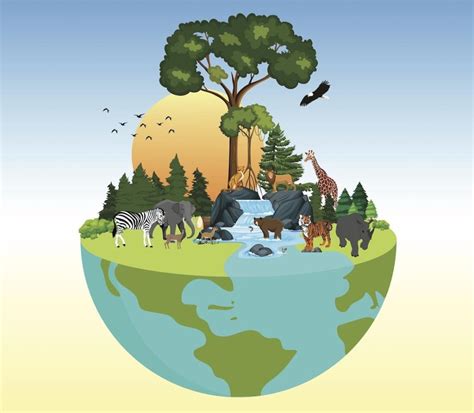
Biodiversiteit Biological diversity — or biodiversity — is the term given to the variety of life on Earth and the natural patterns it forms. The biodiversity we see today is the fruit of billions of years of.
Leefomgeving definitie
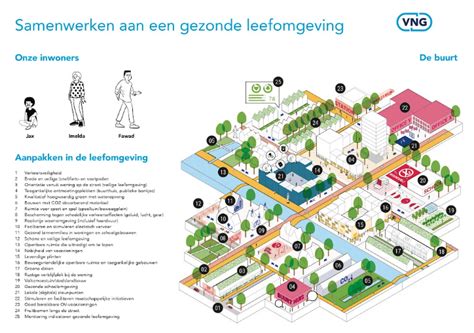
om·ge·ving Verbuigingen: leefomgevingen (meerv.) leefgebied Synoniem: milieu Synoniemen: leefmilieu milieu 1 definitie. De leefomgeving waarin mensen wonen, werken en recreëren heeft invloed op hun gezondheid. Een gezonde leefomgeving is een leefomgeving die als prettig wordt ervaren, die uitnodigt tot gezond gedrag en waar de druk op de gezondheid zo laag mogelijk is.- Leefomgeving definitie leefomgeving - Zelfstandignaamwoord 1. habitat, leefgebied, standplaats, biotoop, niche ♢ In de biotoop bos is de bodem de leefomgeving voor de pissebed. Woordherkomst samenstelling van leef en omgeving.
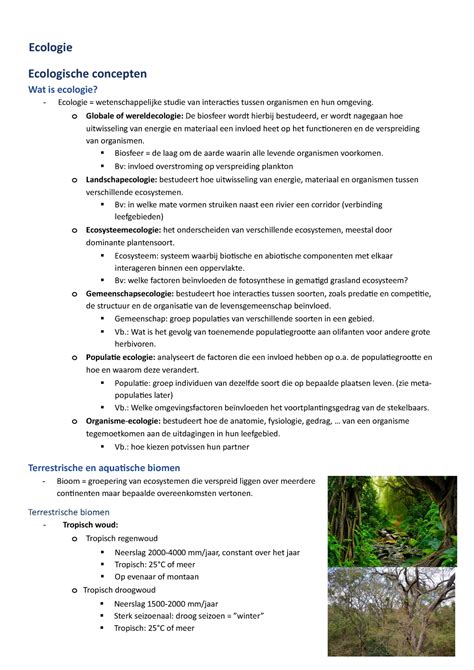
Ecologie concepten
Ecology, study of the relationships between organisms and their environment. Some of the most pressing problems in human affairs—expanding populations, food scarcities, environmental pollution including global warming, extinctions of plant and animal species, and all the attendant sociological and. Ecology; Ecology addresses the full scale of life, from tiny bacteria to processes that span the entire planet. Ecologists study many diverse and complex relations among species, such as predation and pollination.- Ecologie concepten Ecology is the study of organisms and how they interact with the environment around them. An ecologist studies the relationship between living things and their habitats. In order to learn about the natural world, ecologists must study multiple aspects of life ranging from the moss that grows on rocks to the wolf population in the United States' Yellowstone National Park.
Biodiversiteit
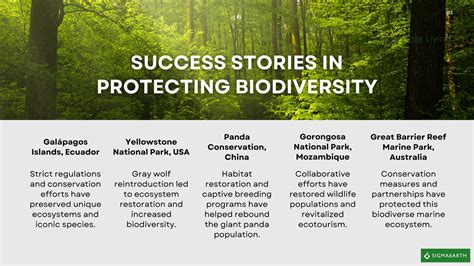
Biodiversity is the variability of life on Earth, measured on different levels such as genetic, species and ecosystem diversity. Learn about the history, causes and effects of biodiversity loss, and the efforts to conserve it. Even the most important biodiversity hubs around the world are not immune from human pressures. Borneo, a massive island in southeast Asia, is home to more than 1, different animal species, and at least 15, plant species.Ecosystemen
An ecosystem (or ecological system) is a system formed by organisms in interaction with their environment. [2]: The biotic and abiotic components are linked together through nutrient cycles and energy flows. An ecosystem is a geographic area where plants, animals and other organisms, as well as weather and landscape, work together to form a bubble of tems contain biotic (living) factors, as well as abiotic (nonliving) factors.- Ecosystemen Ecosystemen worden bestudeerd in de ecologie, de leer van de huishouding van de natuur. Ecologen gaan ervan uit dat de natuur uit min of meer samenhangende systemen bestaat. Ecosystemen kunnen op verschillende niveaus worden bestudeerd.