Japanse kersenbloesem betekenis
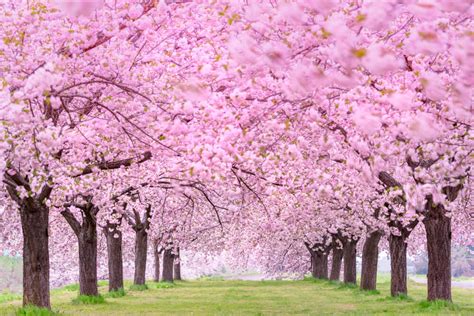
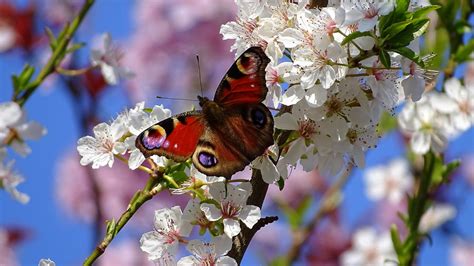
Japanse kersenbloesems worden beschouwd als een symbool van leven en een lang leven. Ze bloeien in de lente en worden geassocieerd met de komst van de lente en de hoop op nieuw leven. In Japan hingen mensen vroeger een krans van kersenbloesems aan hun deuropeningen om de lente te verwelkomen. Sakura (kanji: 桜 of 櫻, hiragana: さくら, katakana: サクラ) is de Japanse naam voor een aantal kersenboomsoorten en hun bloesems. Het gaat om meer dan 20 soorten van het ondergeslacht Prunus subg. Japanse kersenbloesem betekenis De kersenbloesem, in Japan bekend als Sakura, is niet alleen een prachtige bloem, maar een krachtig symbool van leven, dood en wedergeboorte. De levensduur van de kersenbloesem is erg kort; de bloem kan maar ongeveer een week bloeien, en dan beginnen de bloemblaadjes te vallen.

Sakura Learn about the history, culture, and cuisine of cherry blossom or sakura season in Japan. Discover the best places to view, eat, and enjoy the fleeting beauty of sakura across the country.


Sakura
Cherry tree in bloom in Yachounomori Garden, Tatebayashi, Gunma, Japan, April The cherry blossom, or sakura, is the flower of trees in Prunus subgenus Cerasus. Sakura usually refers to flowers of ornamental cherry trees, such as cultivars of Prunus serrulata, not trees grown for their fruit [1]: 14–18 [2] (although these also have blossoms). Sakura, or cherry blossoms, hold a special place in Japanese culture. These delicate pink flowers symbolize the fleeting beauty of life and the arrival of spring. Rooted deeply in tradition, sakura has inspired art, poetry and festivals for centuries.Hanami
Hanami is the traditional practice of enjoying the transient beauty of cherry or plum blossoms in Japan. Learn about the history, culture, and varieties of sakura and umemi, as well as the hanami events and festivals around the world. Hanami is a centuries-old custom of enjoying the fleeting beauty of sakura, or cherry blossoms, with food and drink under the trees. Learn about the history, customs, and tips of this cherished springtime celebration in Japan. Hanami Hanami is a traditional Japanese festival of flower viewing, especially cherry blossoms, that celebrates the beauty and brevity of life. Learn about the origin, meaning and culture of Hanami, and discover the best places to see cherry blossoms in Japan.Japanse cultuur
There are two competing hypotheses that try to explain the lineage of the Japanese people. [3] [4]The first hypothesis proposes a dual-structure model, in which Japanese populations are descendants of the indigenous Jōmon people and later arrivals of people from the East Eurasian continent, known as the Yayoi people. Ontdek de rijke en diverse cultuur van Japan, die diepgeworteld is in geschiedenis, ambachtelijkheid en een unieke isolatiegeschiedenis. Leer over de traditionele en moderne kunst, religie, eten, architectuur, festivals, gedragscodes en populaire cultuur van Japan. Japanse cultuur Japan - Culture, Traditions, Religion: It is common for Western observers of contemporary Japan to emphasize its great economic achievement without equal regard to cultural attributes. Yet Japanese cultural distinctiveness and the manner in which it developed are instructive in understanding how it is that Japan came to be the first non-Western country to attain great-power status. The.Lente
Lente can mean lens, contact lens, or glasses in English. Learn how to use it in different contexts with examples, pronunciation, and phrases. lente is a word with multiple meanings and uses in different languages. It can mean spring, lens, slowly, or a form of insulin in English, Afrikaans, Dutch, French, Galician, Italian, Latin, and Portuguese.Lente What does the noun lente mean? There is one meaning in OED's entry for the noun lente. See ‘Meaning & use’ for definition, usage, and quotation evidence.